


Singapore e-commerce is in the middle of a quiet power shift. Instead of fighting for shelf space in malls or depending on marketplaces, more brands now study d2c ecommerce trends and choose to sell straight to the customer. The middleman is not just shrinking; for many categories, that middle layer is disappearing.
This move is not only about saving on distributor or marketplace fees. Going direct changes who owns the relationship, who holds the data, and who controls the brand story. Global names such as Warby Parker and Glossier have already shown how far this business model can go under the direct to consumer D2C approach. Singapore brands now apply the same playbook in a compact, highly connected market where shoppers live on their phones, online shopping keeps rising, and expectations for sharp, personal experiences keep getting higher.
“First-party data is the foundation of modern commerce.” – Satya Nadella
The numbers back this shift:
- Around 78% of consumers care about brands managing their own story.
- About 67% of startups rely on first-party data to guide product and marketing decisions.
Both goals are much easier when a company sells direct instead of through layers of partners. In the next sections, this article walks through the direct-to-consumer trends shaping D2C Singapore in 2026, from AI-driven personalization and mobile-first commerce to omnichannel operations and radical checkout transparency, plus how teams can build the technical base to support all of this.
Why Singapore brands are going direct-to consumer in 2026

For years, the classic retail model in Singapore depended on wholesalers, distributors, and dominant marketplaces. That structure came with heavy trade‑offs. Margins shrank after fees, brand identity blurred among competitors, and important customer data stayed locked inside third-party platforms. Many brands felt trapped by algorithms and rising advertising costs they could not control, even as broader eCommerce in Singapore kept expanding and maturing.
Direct-to-consumer models flip that power balance. By using their own online stores and apps to sell directly, brands gain pricing control, direct access to customer behavior, and much stronger profit margins. They can decide which offers to run, which stories to tell, and how fast to adjust based on real-time signals. Instead of renting audience access, they build it and build direct relationships that strengthen customer relationships over time.
Singapore is especially ready for this shift. The country has near-universal smartphone usage and fast mobile networks, so buying from a brand site feels as natural as ordering from a marketplace app. Shoppers show growing interest in honest brand stories, niche products, and personalization that reflects rising consumer demand and changing consumer expectations. At the same time, the PDPA and the slow death of third-party cookies make first-party data from D2C channels more valuable than ever.
Retention is where these D2C e-commerce trends show their real power. For many D2C brands, about 70% of total revenue can come from existing subscribers. Owning the relationship means teams can test new lines, upsell, and refine products without guessing through distant reports.
Key benefits of cutting out the middleman stand out clearly:
- Full control over pricing and brand story gives a business space to experiment without asking permission from a marketplace. A Singapore skincare brand, for example, can test limited drops or bundle offers in days, then read results straight from its own analytics. That speed matters more as categories crowd and attention spans shrink.
- Direct access to behavioral data lets teams better understand consumer behavior by seeing what people browse, search, and abandon on their own site. Over time, this feeds sharper segmentation, better campaigns, and smarter product bets. Instead of buying vague audience buckets, brands can build detailed understanding of their real buyers.
- Higher margins without distributor fees turn into lower distribution costs and more budget for product quality, service, and marketing. That extra headroom often decides who can afford meaningful loyalty programs or faster shipping inside Singapore’s compact geography. When rivals pay heavy platform commissions, D2C players can outspend them in the right areas.
- Faster product iteration from real feedback helps brands stay ahead of copycats. When support, analytics, and reviews all sit in one place, patterns appear quickly. Teams can decide which products to retire, which variants to double down on, and which content to improve without waiting for second-hand reports from partners.
Taken together, these benefits explain why both direct to consumer brands and traditional brands in Singapore e-commerce that depend only on marketplaces are now building direct channels as a strategic priority.
The top D2C e-commerce trends redefining Singapore retail
The most forward-looking Singapore e-commerce brands see D2C as more than a new sales channel: it is the direct to consumer model for how they design experiences, manage operations, and think about revenue. Several d2c ecommerce trends now define leaders in 2026, and late adopters risk falling behind faster than they expect.
Two themes stand above the rest. The first is AI stepping into the center of operations and customer experience, rather than sitting at the edges as a plug‑in tool. The second is mobile-first, app-driven buying, where repeat orders and brand loyalty often live inside a single tap on the home screen, helping leading brands engage customers directly across sales channels.
These trends reinforce one another. AI makes mobile apps feel personal and helpful. Mobile, in turn, gives AI more real-time data across contexts such as commute hours, office breaks, and late-night browsing. Underneath, the direct model gives brands the data access and control needed to shape the full customer journey and deliver personalized shopping experiences at full power, while tapping into the wider e-commerce growth across Asia that is reshaping how regional buyers discover and purchase products.
AI-driven personalization and smarter customer journeys
Many brands say they use personalization. In practice this often means a few simple “You might also like” blocks. The leaders in direct-to-consumer trends now go much further. With AI at the core, a D2C storefront can change in real time for each visitor to deliver a personalized customer experience. Product order, banners, bundles, and content all adapt based on behavior, location, and intent, powered by robust AI solutions for ecommerce personalization that connect data, prediction, and experience in one loop.
This type of hyper-personalization shows strong impact. Studies indicate that AI-backed personalization can drive around 40% higher revenue, while about 60% of shoppers are more likely to return after an experience that feels made for them. For Singapore brands facing high customer acquisition costs, that repeat behavior is worth serious attention.
“If you do build a great experience, customers tell each other about that. Word of mouth is very powerful.” – Jeff Bezos
Modern AI helps D2C teams do far more than just recommend similar items. For example, AI can:
- Predict the next item a shopper is likely to buy and surface it early.
- Adjust discounts and bundles based on probability of conversion.
- Personalize homepages, navigation, and content blocks by segment.
- Time emails and push notifications to when each person is most responsive.
AI is also reshaping how people move through the buying process and improving the online shopping experience. Conversational agents built into the site or app guide shoppers from discovery to checkout like a store assistant. Data shows stores using AI-powered chatbots often see about 25% more leads and 10–15% higher retention, because questions get answered early and doubts shrink. Instead of hunting through menus, a shopper can ask for “fragrance-free options for sensitive skin” and see a curated set instantly, especially when guided by structured AI consulting services for retail use cases that align technology with concrete customer journeys.
Behind the scenes, AI now handles much of the manual work that used to slow D2C teams. Around 77% of sellers already use AI for catalog setup and image editing, which keeps data consistent across channels. Recent figures suggest roughly 65% of support queries can be solved without a human, cutting support costs by up to 30% while keeping response times near instant.
For D2C Singapore brands, these d2c ecommerce trends are no longer experiments for large global players. AI‑native operations are quickly turning into a baseline expectation, driven by key factors such as rising consumer expectations and market trends. Making this real demands a flexible technical base, usually API‑first and headless, that connects product data, content, and customer behavior across web, app, and chat so teams can collect data more effectively. This is where senior engineering partners such as KVY TECH help design systems so AI can plug in cleanly instead of as a messy afterthought.
Mobile-first commerce and the shift toward app-driven experiences
The second big wave in D2C Singapore centers on mobile. Forecasts show around 60% of global online sales running through mobile commerce by 2026, reinforcing how online retail is shifting deeper into digital commerce, with more than half of those sales coming from brand-owned apps. In Singapore, where people already use super-apps for transport, food, and payments, this shift feels natural.
A mobile-responsive website now counts as basic hygiene, not a strategy. Real advantage appears when brands move into app-driven models or strong Progressive Web Apps (PWAs) that behave like native apps while supporting brand-owned online stores more effectively. These setups bring faster load times, smooth login, offline-ready content, and push notifications that keep the brand present without feeling spammy.
For Singapore brands, several design choices matter if they want to stand out inside a phone screen crowded with icons, starting with a solid B2C ecommerce development foundation that bakes mobile experience and conversion principles into the storefront from day one:
- Page speed: Screens should load in under two seconds on common 4G or 5G connections. Slow pages quickly push shoppers back to marketplace apps that feel instant. Performance tuning is not only a technical matter; it affects revenue for every paid click.
- Local checkouts: Flows need to match local habits, including PayNow, NETS, and common card wallets. When people can pay in the way they already use at hawker centers and trains, conversion climbs. Every extra step or unfamiliar method adds friction that often sends them back to a marketplace.
- Thoughtful push notifications: Messages must add value, with clear links to inventory, price drops, or content the user cares about. Targeted alerts about back-in-stock items, upcoming refill dates, or member-only drops feel helpful, and they often work best when coordinated with social media platforms as a complementary re-engagement channel. Generic blasts about random offers do not.
- Thumb-friendly navigation: Interfaces should reflect thumb-first behavior. Filters, search, and key categories must sit within easy reach, and content should stay clean enough for one-hand use on the MRT. Brands that copy desktop designs into mobile often see poor engagement, even if the site passes basic responsive tests.
Brands that rely only on mobile-friendly websites risk losing retention as app-centric d2c ecommerce trends push customer expectations higher among online customers. Once a shopper gets used to direct brands that combine strong apps, AI-driven personalization, and frictionless local payments, weaker experiences feel dated very quickly.
Building the operational backbone – omnichannel, fulfillment, and transparency
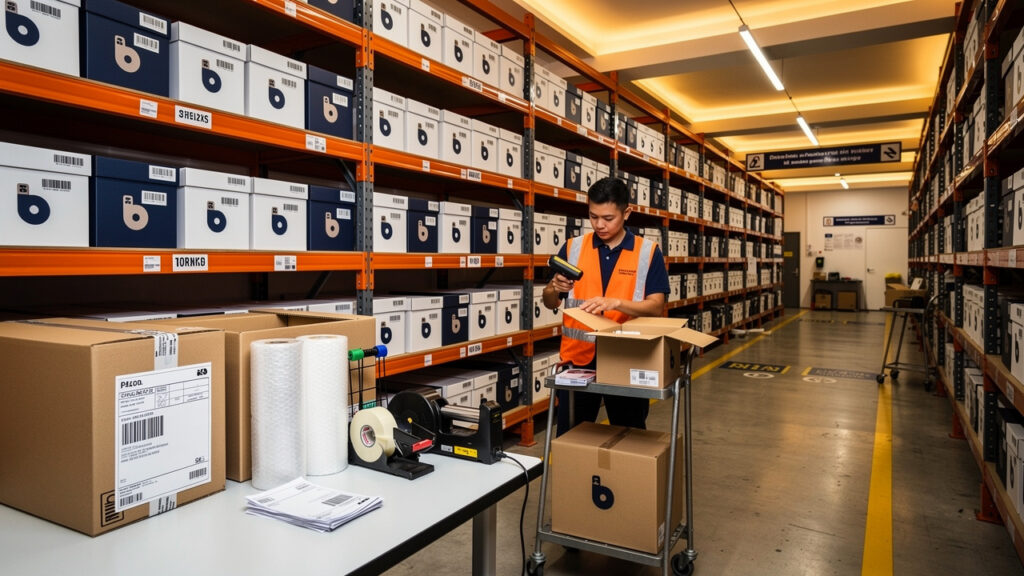
Everything so far sits on one foundation. Without the right operations and systems, even the best CX ideas fail. The strongest D2C Singapore brands treat omnichannel data, fulfillment, and checkout clarity as core parts of their direct model, not side projects.
True omnichannel means more than being present on web, app, and social. It means customer context follows them across each touchpoint to support direct relationships. Someone might start a chat on WhatsApp, browse again on a laptop at work, then finish the order in a mobile app while commuting. Their cart, preferences, and history should feel continuous. Brands that build this well see strong payoffs, including about 91% higher year‑on‑year retention and 2.5 times more frequent purchases.
“What gets measured gets managed.” – Peter Drucker
To reach that level, teams need a single source of truth for inventory, pricing, promotions, and customer data. Architectures often move toward headless, decoupled commerce, where the backend handles logic and data, and different frontends plug in as needed across site, app, kiosks, and AI agents. This approach makes it easier to add channels in the future and support more personalized marketing strategies without rebuilding everything for each new surface.
Speed of delivery is another pillar. Around 77% of shoppers now expect very fast options, sometimes within a two‑hour window. While that pace might not suit every category, slow and uncertain shipping quickly harms many D2C offers. Singapore brands respond with micro‑warehouses, dark stores, or regional 3PL partners that keep stock close to clusters of demand and make supply chains more responsive, often using B2B ecommerce platforms for wholesale and logistics partners to synchronize orders and inventory flows.
Once inventory spreads across locations, control can slip without strong systems. Brands that implement unified inventory and order management often reach more than 99.5% order accuracy and see a 20–50% lift in conversion simply by showing real‑time stock levels. When shoppers in Singapore see that an item is physically nearby and ready to ship, they convert with more confidence.
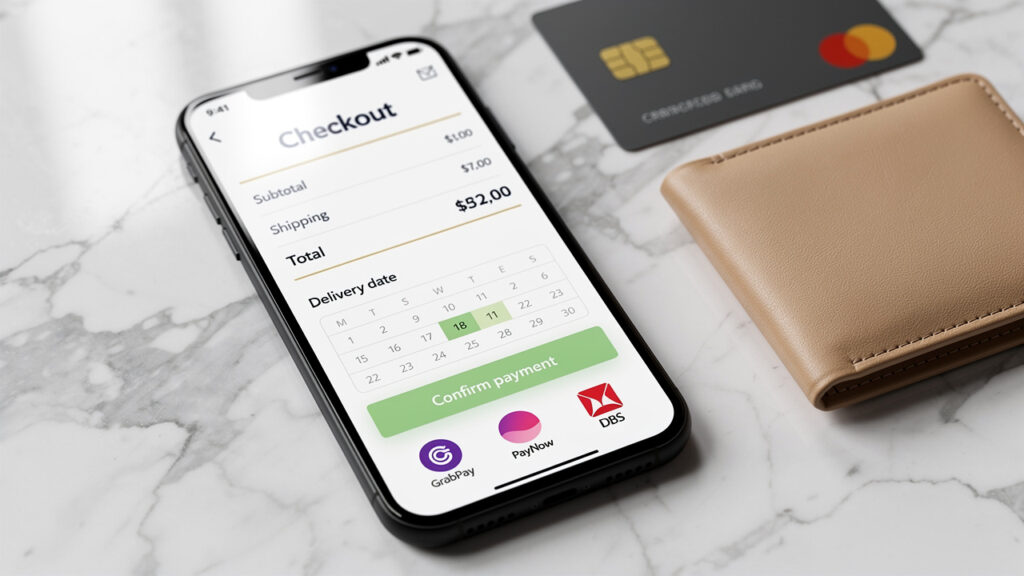
While some brands reduce repeat-purchase friction with trust-building features such as a loyalty program, trust often breaks at checkout. Data shows that 48% of shoppers abandon carts when extra costs such as shipping or taxes appear late in the process. Another 21% quit when no delivery date is visible. For cross‑border orders, lack of clarity around duties and GST makes the problem worse.
The most advanced d2c ecommerce trends for operations point toward radical transparency, especially in Singapore where buyers are price‑aware and comparison is easy. Clear GST-inclusive pricing, simple delivery windows, and honest shipping fees shown early help serve customers more effectively and reduce surprises. Unified order tracking then keeps buyers calm after payment, instead of guessing where their parcel is.
A short view of how transparency shapes conversion looks like this:
Transparency Factor | Impact on Conversion |
|---|---|
Unexpected shipping costs | 48% cart abandonment |
Missing delivery estimate | 21% abandonment |
Real-time stock visibility | 20–50% conversion boost |
Unified order tracking | Higher repeat purchase rate |
Behind these numbers sit strong systems choices. Brands that underinvest here often feel stuck later, unable to roll out new channels or shipping models without painful rewrites. |
How KVY TECH helps Singapore brands build for the D2C ecommerce future
All of these d2c ecommerce trends are exciting, but they also raise a hard question for Singapore teams: how do you build a technical base that keeps up with the pace of change in a fast-moving competitive landscape without sinking money into the wrong stack or adding fresh technical debt?
KVY TECH steps in as a senior‑led production-critical software engineering partner focused on this exact problem. The team specializes in headless, API‑first commerce platforms using tools such as Next.js, Medusa.js, and Hydrogen. That setup gives Singapore brands fast storefronts, flexible checkout flows, and clean integration paths for AI services and new channels. Instead of patching more plugins onto a closed SaaS platform, companies and brand owners gain a modular system they actually control.
Local context matters. KVY TECH designs flows around Singapore habits from day one, including PayNow, NETS, and local cards, plus PDPA‑safe data handling and GST‑inclusive pricing models. Mobile UX is tuned for high‑density city life, where users jump between apps in seconds and will not wait through clumsy screens, which also supports brand promotion across owned channels by reducing drop-off.
Results from past work show how this plays out. For one Singapore e-commerce client, KVY TECH helped raise post‑order conversion by 42%, push payment success from 87% to 94% through 3DS2 tweaks, and cut average checkout time from 4.2 minutes to 2.1 minutes. Systematic optimization cycles every four to six weeks often help teams improve marketing campaigns and average order value, bringing 20–40% conversion lifts by refining UX, performance, and data flows rather than guessing.
For startups moving into D2C, KVY TECH also runs a structured 12‑week MVP program with clear MoSCoW prioritization. With more than fifty MVPs delivered and a record above 95% for on‑time and on‑budget delivery, founders get something investor‑ready instead of a half‑baked prototype. Across all of this, the goal stays simple: help Singapore brands ride the next wave of D2C Singapore growth with strong foundations instead of fragile shortcuts.
Conclusion
Direct-to-consumer in Singapore is no longer a side experiment. It is a strategic shift that decides which brands own their future and which stay dependent on middlemen and algorithms they cannot control. As d2c ecommerce trends move faster, late moves become harder and more expensive, especially for teams still weighing whether to launch direct brands or build multi‑seller platforms such as a marketplace in Singapore to capture broader demand.
The brands that win put four ideas at the center of their plans. They treat AI‑driven personalization as standard, not a gimmick. They design for mobile‑first, app‑led behavior. They build omnichannel operations with shared data and fast, reliable fulfillment. They remove doubt at checkout with full cost and delivery transparency.
None of this works without the right technical base. Architecture choices now define how easily a company can add new channels, use AI, and maintain speed over the next decade. Singapore brands that act now to own their relationships, data, and experiences will shape the next era of retail in the region. For teams ready to build the right way, partners such as KVY TECH help turn that vision into a stable, scalable platform instead of a risky bet.
Connect KVY now to get the informations.
FAQs
What does D2C e-commercemean for Singapore brands?
D2C, or Direct-to-Consumer, means manufacturers sell their products and brands sell directly to end customers instead of going through distributors, wholesalers, or marketplace owners. For Singapore brands, this brings tighter pricing control, direct first-party data collection under PDPA rules, and stronger direct relationships with end customers alongside the ability to tell a clear brand story. It fits a market where mobile use is high and shoppers are very comfortable buying online.
What are the biggest D2C e-commerce trends in Singapore for 2026?
The most important d2c ecommerce trends for Singapore in 2026 include AI‑driven hyper‑personalization, mobile‑first and app‑centric commerce, unified omnichannel experiences, fast quick‑commerce style fulfillment, subscription or refill‑based revenue models, and the broader market trends and growth trends shaping digital demand. All of these trends share one aim, which is to own the customer relationship from first touch to repeat purchase through personalized shopping experiences. Analysts also expect the AI‑enabled e‑commerce market to reach about 22.6 billion US dollars by 2032. This points to significant growth in AI‑enabled commerce.
How can Singapore brands start transitioning to a D2C model?
The best starting point is a clear technical foundation for a business model shift into direct to consumer, based on headless commerce and API‑first design, so the brand can grow channels without constant rebuilds. From day one, teams should integrate local payments such as PayNow and NETS and design for PDPA compliance. Many companies launch with a focused MVP to test their core experience before going wide. Partnering with a senior engineering team that understands Singapore’s market details reduces risk and speeds up the move to direct selling through own online stores. Brands already selling on Shopify can use these signs a D2C brand has outgrown Shopify to time the move.