

Technologies
Technology chosen
for the system,
not the trend.
We match each system to a small set of proven tools, then build and run it with the team that chose them.
- Payment platforms
- Commerce and marketplace operators
- Systems integrators
- Manufacturers and distributors
- AI product teams
One core under most of what we build.
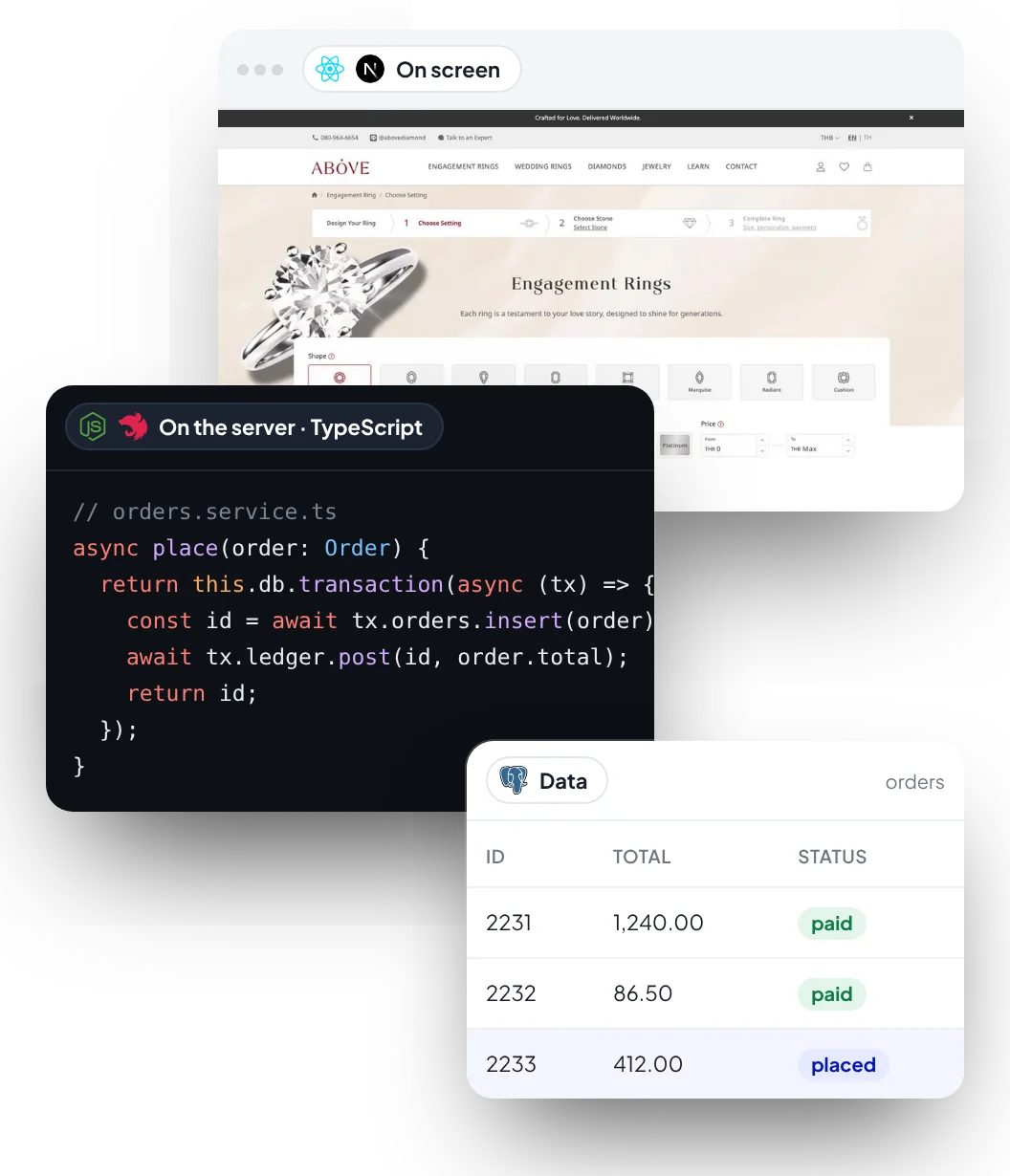
Node.js and TypeScript on the server, React and Next.js on screen, PostgreSQL for data. One language from database to browser makes a system easier to staff and review.
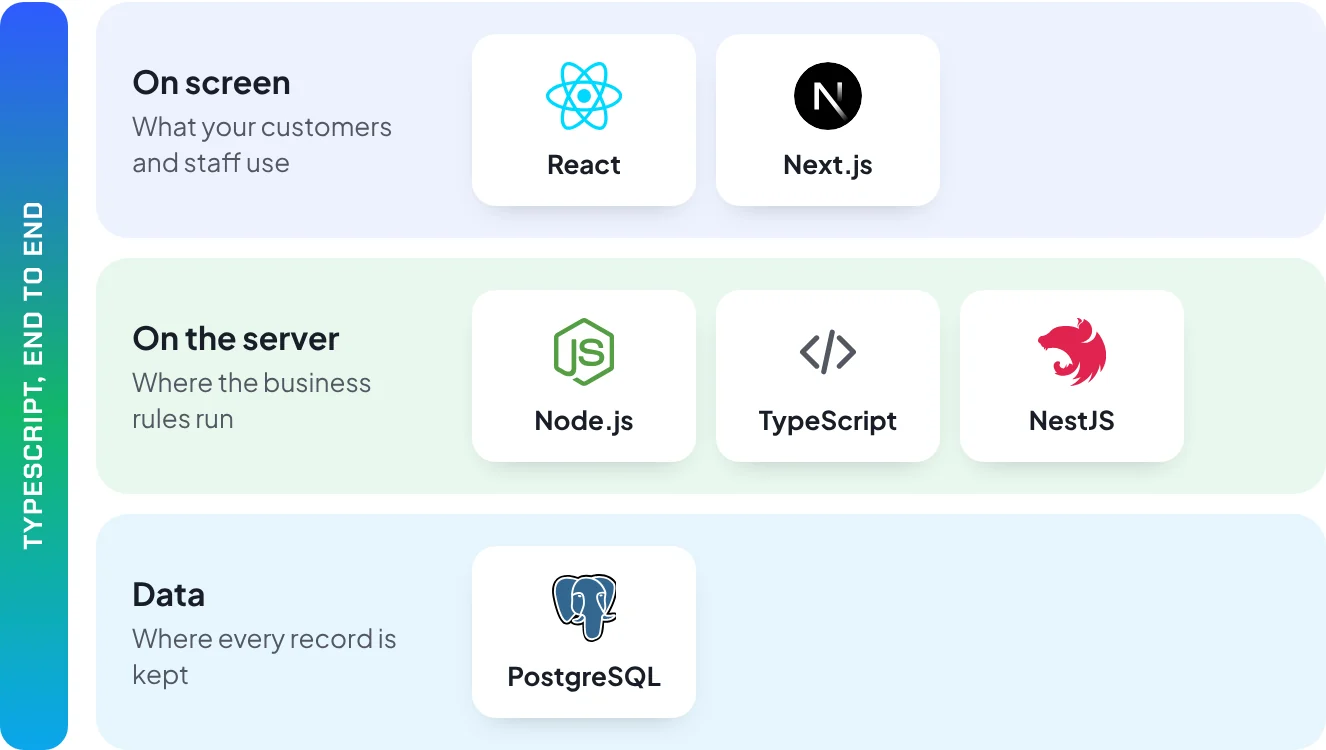
A specialist stack for each kind of system.
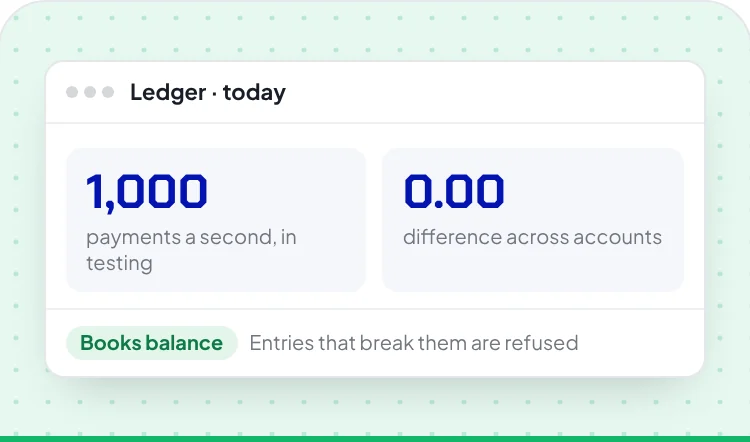
Payments and ledgers
Ledgers that refuse any entry that would break the books, and payments that go through once, even when a step fails.
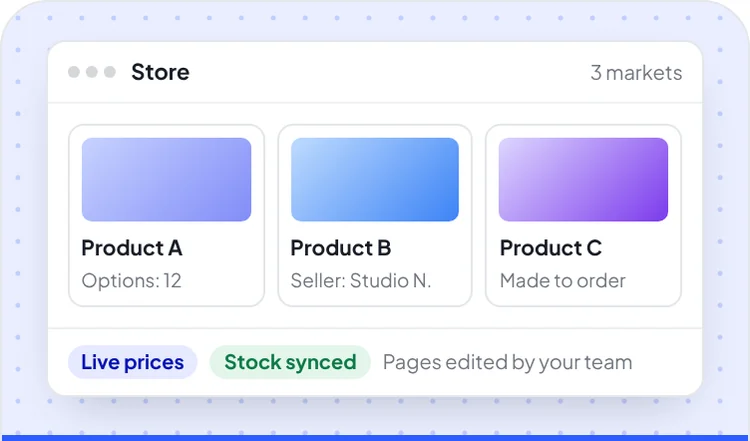
Commerce and marketplaces
Open-source commerce you own: stores, trade ordering, multi-seller marketplaces and pages your team edits itself.
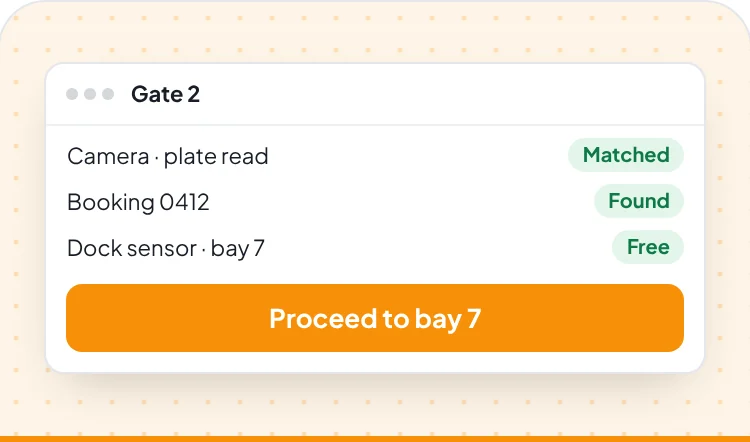
Devices and sites
Software that connects cameras, doors, gates and sensors from many brands, and keeps working when one of them doesn’t.
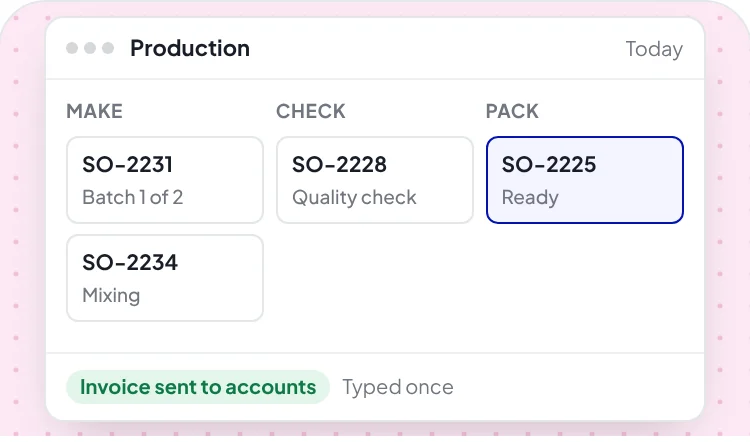
Operations and accounting
Order, stock and production systems that post straight into your accounting software, so nothing is typed twice.
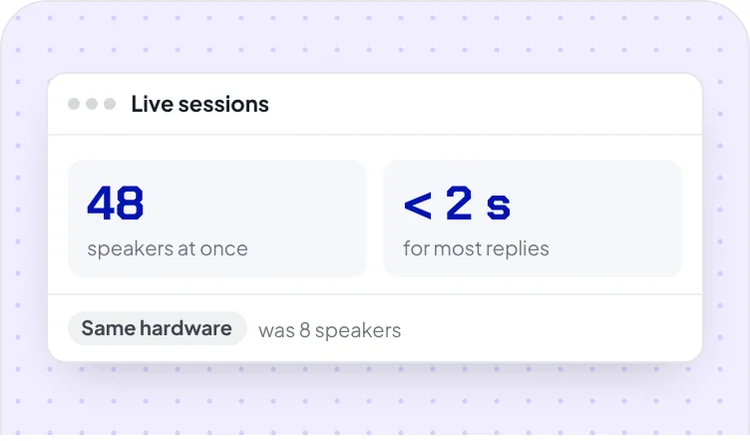
AI in production
Models served fast enough for live use and checked for accuracy on your own data.
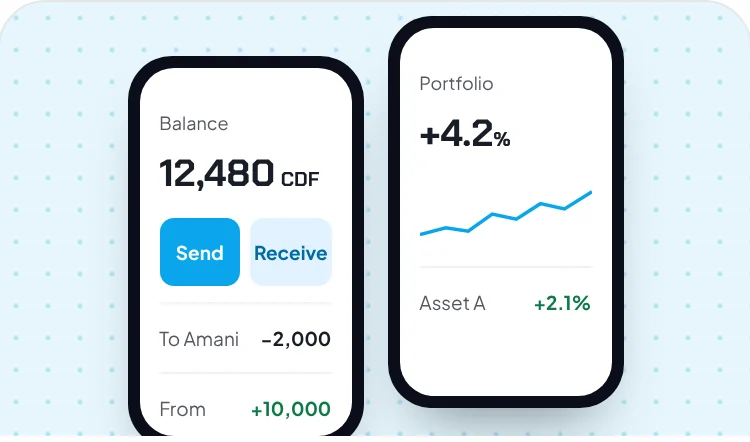
Mobile apps
iOS and Android apps from one codebase, tested on real devices before every release.
Hosted, shipped
and monitored.
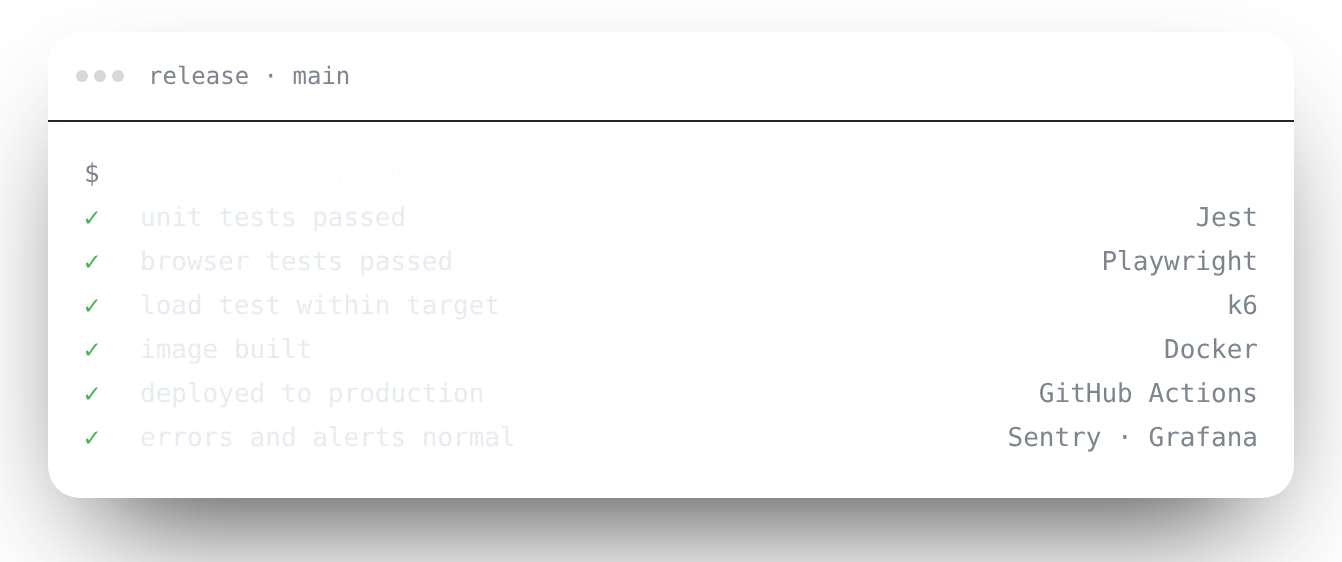
Every change is tested before it ships, and every system is watched after it does.
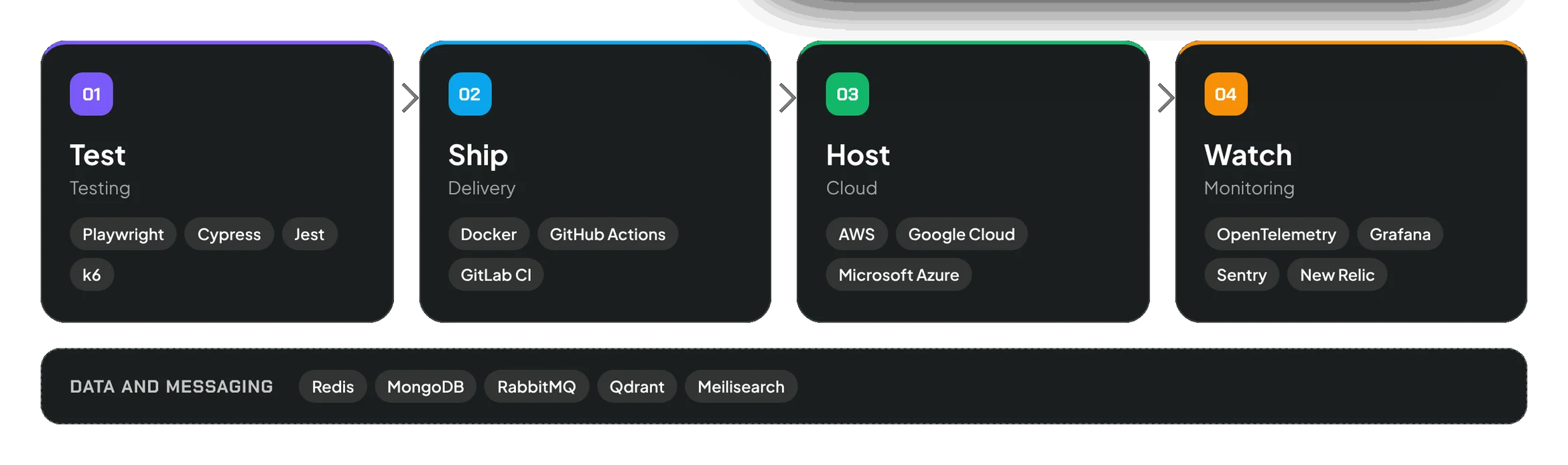
- 01TestTesting
- 02ShipDelivery
- 03HostCloud
- 04WatchMonitoring
Data and messaging
Four rules behind every choice.

Open source first
Where it fits, the core is open source, so you own the code and the platform.
Few tools, known deeply
One stack per kind of system, so the team has shipped it before yours.

Measured before adopted
A new tool earns its place in a short, measured trial, not on a vendor’s promise.
Written down for handover
Each decision is recorded with the options we turned down, so another team can take over.
See it in the systems we build
All case studiesQuestions about our tools.
Can you work with the technology we already use?
Yes. We map what runs today before changing anything, and replace only what holds the system back.
Do you build on Shopify or WordPress?
For simple stores and sites they are often the right choice. We step in when your business rules outgrow them, usually with Medusa and Payload.
Do you use AI to write code?
Yes, to speed up writing and testing. Rules built into our tools check every change, and an engineer answers for every line.
Tell us about your stack.
Or email us at [email protected]
What happens next
- 01An architect replies within one working day.
- 02A call about your systems, data and targets.
- 03If there's a fit, we scope the work together.