


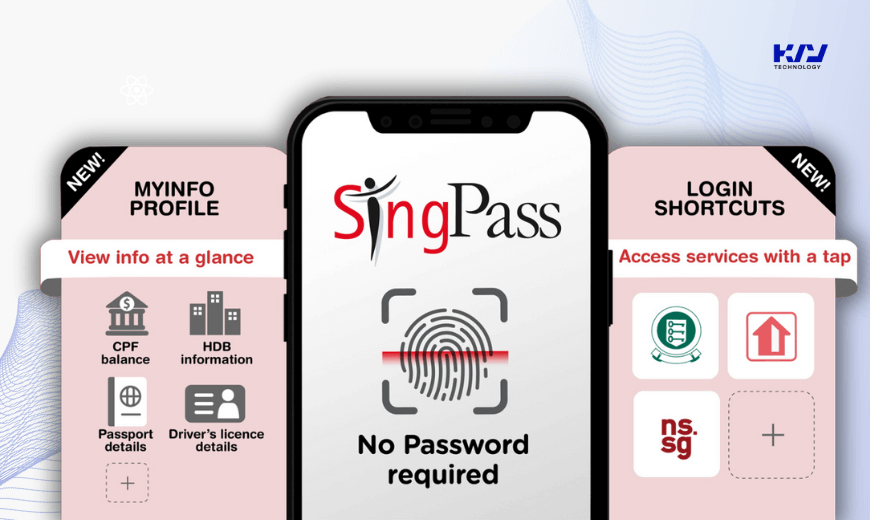
Singapore’s government continues to champion Singpass integration as a cornerstone of its evolving Smart Nation vision. As we move deeper into 2026, Singpass remains a critical digital identity platform that has expanded its capabilities and reach, making it essential for businesses aiming to stay competitive and compliant in Singapore’s digital economy.
This updated guide walks you through what Singpass is today, the enhanced benefits of Singpass integration, the latest Singpass APIs, and a streamlined 3-step integration process tailored for 2026.
1. What is Singpass in 2026?
Singpass has evolved since its 2003 launch into a comprehensive national digital identity system, now powering over 3,800 e-services across more than 80 government agencies and private sector partners. It supports secure, seamless access for more than 4 million users, including Singaporean citizens, permanent residents, and various pass holders.
Recent enhancements include integration with mobile driver’s licenses (mDLs), advanced facial recognition with liveness detection, and expanded support for digital credentials to facilitate secure onboarding and verification processes.
2. Why Singpass Integration is Vital for Businesses in 2026
The Singapore government continues to prioritize Singpass as a strategic national project, now emphasizing digital transformation and secure onboarding for financial institutions and other sectors. For any company, adopting Singpass-based verification and kyc checks can help reduce fraud exposure as identity fraud losses in the US are projected to reach USD 12.5 billion in 2024.
Businesses integrating Singpass benefit from:
– Access to over 90% of Singaporean citizens and permanent residents, ensuring widespread customer reach.
– Up to 85% reduction in digital transaction time through auto fill and verification tools that streamline the onboarding process.
– Enhanced security with biometric facial recognition and liveness detection to reduce fraud and errors, while helping manage risks linked to leaked Singpass credentials.
– Support for meeting evolving regulatory demands, including data protection and explicit consent requirements, though businesses still face privacy and surveillance challenges and must comply with user-data expectations.
– Improved customer onboarding experience, reducing reliance on physical documents and manual data entry for customers.
Singpass now facilitates billions of transactions annually, reflecting its role as a trusted backbone for digital identity verification and compliance across Singapore’s financial institutions and other industries. For financial institutions, this can streamline verification and the broader onboarding process for customers while balancing security, compliance, and privacy concerns.
3. What Singpass APIs Should Businesses Consider Integrating in 2026?
The Singpass platform offers a robust suite of APIs designed to meet the evolving needs of businesses and their clients. Key APIs include:
3.1 Verify API and Verification Process
Digital verification is now more critical than ever for customer onboarding. The Verify API supports the KYC verification process, and businesses can integrate it to confirm a customer’s identity more efficiently without collecting physical documents, aligning with compliance and security standards.
Enhancements in 2026:
– Integration with mobile driver’s licenses (mDLs) for broader ID verification options.
– Support for explicit consent and transparency in data sharing.
– Improved accuracy through biometric matching, advanced facial recognition, and liveness detection.
3.2 QR Login API
QR Login remains a popular authentication method, offering users quick and secure access to digital services without password hassles. Repeated authentication interactions can also generate metadata that, in centralized systems, may create a persistent behavioral profile of users.
2026 upgrades include:
– Expanded user base exceeding 4 million active Singpass users.
– Enhanced security protocols to protect against identity compromise.
– Seamless integration with multi-factor authentication and biometric verification, with the authentication flow designed to avoid unnecessary exposure of location and other metadata during repeated sign-ins.
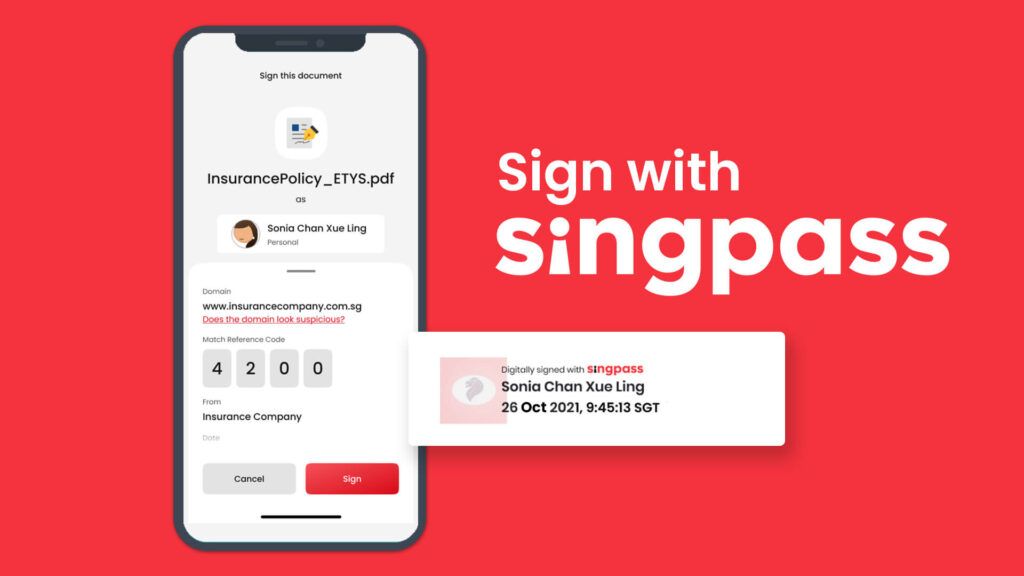
3.3 Sign API
Digital signing with Singpass continues to empower remote and secure document execution.
Latest features:
– Cryptographically secure signatures compliant with Singapore’s Electronic Transactions Act and international standards.
– Integration with document management systems and digital signing partners for flexible workflows.
– Increased adoption across financial institutions for compliance and operational efficiency.
3.4 Identiface API and Biometric Authentication
Biometric authentication relies on advanced technologies for secure onboarding.
Updates include:
– Enhanced fraud detection with AI-powered presentation attack detection and liveness verification.
– Encrypted facial data storage on government servers ensuring data privacy and security.
– Simplified user experience requiring minimal steps for authentication.
This API can prove a user’s identity remotely while helping reduce fraud during authentication.
3.5 MyInfo API
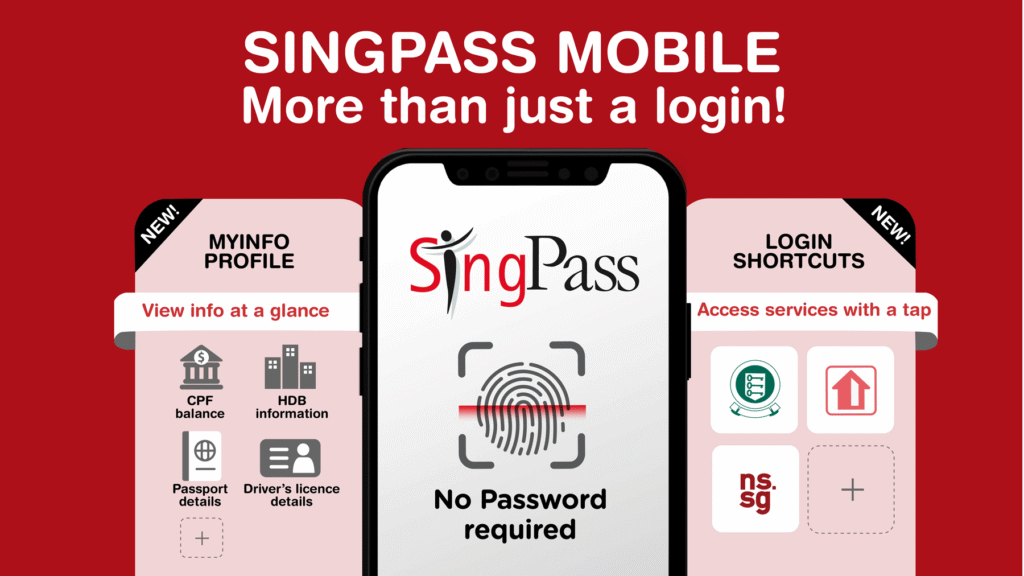
MyInfo continues to be a vital personal data management platform and one of the core SingPass tools for personal data sharing and onboarding, enabling less form filling and higher data accuracy.
SingPass integrates with MyInfo for secure data sharing, and MyInfo provides this through bank-grade encryption.
2026 improvements:
– Expanded data sources including updated address and employment records.
– Greater control for users over data sharing with explicit consent mechanisms.
– Support for auto fill and the ability for financial institutions to integrate MyInfo with third-party solutions to streamline onboarding and data retrieval.
4. 3-Step Guide for Singpass Integration in 2026
Singpass integration remains straightforward, supported by government-backed guidelines and a growing ecosystem of tech partners.
Step 1: Choose the Appropriate API
Review the comprehensive Singpass API library to select the services that best fit your business needs, focusing on compliance, security, and customer convenience; organizations must be registered in Singapore before using Singpass services.
Step 2: Submit Your Linkup Request
Design your user journey incorporating Singpass APIs, taking into account each country-specific compliance requirement and the need to comply with Singpass implementation rules, while leveraging updated templates and best practices. Submit your linkup request to initiate the integration process.
Step 3: Deploy Your Application
After approval, use the generated App ID and configuration details to deploy your application. Choose an integration model that fits your internal systems and customer onboarding workflow. Take advantage of ongoing government support and developer resources.
5. The Future of Singpass Integration Beyond 2026
Looking ahead, Singpass is set to expand its capabilities further and likely create more digital ID capabilities for secure remote onboarding, alongside initiatives like remote authorization, enhanced digital signing, and deeper integration with financial institutions.
The platform will continue to evolve with a focus on security, compliance, and user convenience, supporting Singapore’s vision for a fully digital, trusted identity ecosystem. As these ecosystems expand, policymakers must also address transparent opt-out mechanisms and other privacy safeguards that centralized identity systems often lack.
6. Embrace Singpass Integration Now to Stay Ahead
With Singpass serving over 90% of Singaporean citizens and permanent residents, integrating this digital identity system is no longer optional but essential for businesses aiming to improve customer satisfaction, reduce onboarding errors, and meet compliance demands.
For any questions or assistance with Singpass integration, contact KVY TECH!